Can football fans force their clubs to be greener?
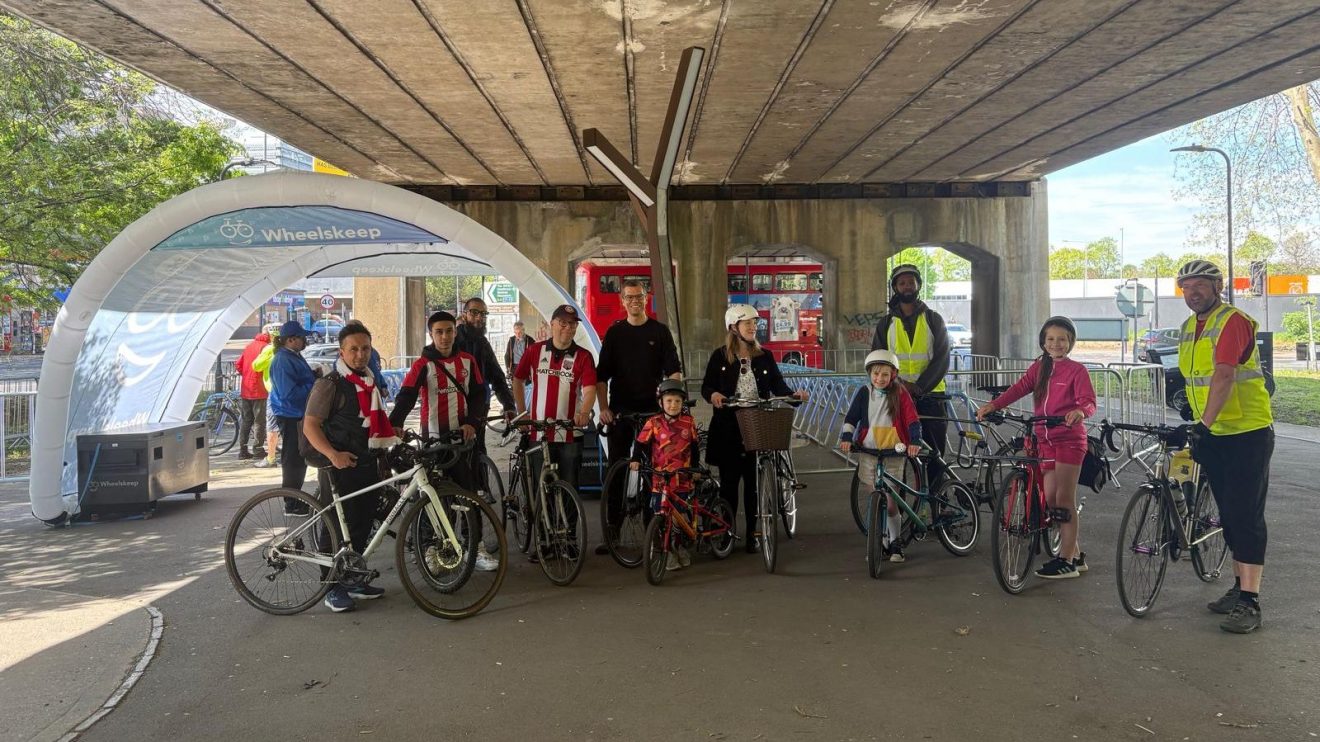
Brentford supporters have become accustomed to seeing their club punch above its weight on the pitch. But a group of Bees fans have also been working to make an impact in an entirely different area.
Sustaina-Bees is an independent supporters’ group established to push Brentford towards greater environmental responsibility. Its members have helped shape the club’s sustainability efforts, demonstrating that fans can influence decisions extending well beyond transfers, tactics and ticket prices.
Brentford published their first sustainability report in late 2024, outlining priorities including climate action, biodiversity, waste reduction and supporter engagement. Sustaina-Bees have been involved in that process, providing a link between the club’s environmental ambitions and the people who fill its stands every fortnight.
Find out how you can help you team rise up the Pledgeball League table
Their work offers an example of something football supporters have long understood: clubs are more likely to listen when fans organise.
And with the environmental impact of professional football facing increasing scrutiny, supporters have an opportunity to use that influence in ways that could deliver lasting change.
In 2021, the Football Supporters’ Association (FSA) passed a motion calling for clubs to publish sustainability policies, develop plans to achieve net-zero emissions and participate in environmental benchmarking.
The following year, it established a partnership with Pledgeball, an organisation that encourages supporters to take environmental action. But the most interesting development isn’t necessarily what fans can do individually. It’s how they can influence the decisions their clubs make.
Consider the construction of a new stadium. Supporters will understandably have strong opinions about its capacity, location, atmosphere and ticket prices. But the environmental implications are substantial, too.
Building materials, energy systems, water consumption and the surrounding infrastructure will shape the stadium’s environmental footprint for decades.
Fans could demand that sustainability becomes a central consideration from the outset, rather than something addressed after the designs have been approved.
They might ask whether an existing ground could be renovated instead of demolished, how much energy a proposed stadium will consume or whether renewable energy infrastructure can be incorporated into its design.
Those questions become particularly important when clubs are making decisions that cannot easily be reversed.
There is also the issue of transparency. More clubs are publishing sustainability reports, but the quality and detail of the information can vary considerably.
Did you know, 100,000 tonnes of sportswear ends up in landfill every year in the UK alone?
Supporters’ groups could scrutinise environmental targets with the same attention they give to financial accounts, questioning whether promised improvements have materialised and whether clubs are measuring the full extent of their emissions.
A commitment to become carbon neutral by a particular date might sound impressive. But does it include emissions associated with merchandise production, stadium construction and commercial partners? How much progress has been achieved through actual reductions rather than carbon offsets?
Without detailed reporting, supporters have little means of distinguishing genuine progress from polished public relations.
This is where organised fan representation becomes especially valuable. The Football Governance Act 2025 established the Independent Football Regulator, with responsibilities covering financial sustainability, club heritage and supporter engagement.
Under the legislation’s licensing framework, clubs must demonstrate effective arrangements for consulting supporters on matters including strategic direction, business priorities and operational issues.
Environmental policy isn’t identified as a separate statutory requirement, and the regulator’s financial sustainability remit shouldn’t be confused with environmental sustainability.
Nevertheless, the emphasis on meaningful supporter consultation offers another potential opportunity for fans to raise questions about long-term planning and investment.
Supporter ownership provides a more direct route to influence. At Exeter City, the Supporters’ Trust has held a majority stake since 2003, giving fans a formal role in the club’s governance.
In June 2026, the trust and club unveiled a shared vision, Our City, Our Club, Our Way, establishing priorities for future decision-making and investment. Its focus is primarily on community identity, financial resilience and developing home-grown talent, rather than a specific environmental programme. But it demonstrates the difference between supporters being consulted about a club’s direction and helping to determine that direction themselves.
Of course, supporter influence doesn’t automatically translate into environmental progress.
Clubs face competing financial pressures, and investment in sustainability must often compete with spending on players, facilities and other priorities. A lower-league club struggling to pay its bills cannot necessarily afford the infrastructure available to Premier League sides.
Yet some environmental improvements can make financial sense, too. More efficient lighting, reduced energy consumption and better waste management can lower operating costs, potentially making sustainability an attractive investment rather than an additional expense.
Fans can help make that argument, particularly when they understand the financial pressures their clubs face.
They can also challenge commercial decisions that undermine environmental commitments, from unnecessary merchandise production to sponsorship arrangements that sit uneasily alongside a club’s stated values.
None of this requires every supporter to become an environmental campaigner. Football clubs already rely on fans to protect their history, identity and traditions. Asking them to consider the environmental consequences of major decisions is an extension of that responsibility.
Sustaina-Bees offer one example of how supporters can move beyond criticism and become involved in shaping policy.
The challenge for other fanbases is finding similarly constructive ways to make themselves heard.
Because a club’s environmental future shouldn’t be decided exclusively by the people in its boardroom. The supporters who expect to be watching their team there in 20 or 30 years have a stake in it, too.
Watch Route ’26: Losing Sight of Goal, by following Pledgeball on Instagram and YouTube