Every Premier League stadium ranked by environmental sustainability


Football’s environmental league table is considerably harder to settle than the one decided by points. Clubs disclose different information, training-ground projects are routinely folded into stadium figures and buying renewable electricity is not the same as producing it. This ranking rewards completed work, transparent reporting and grounds that make it easier for supporters to leave the car at home.
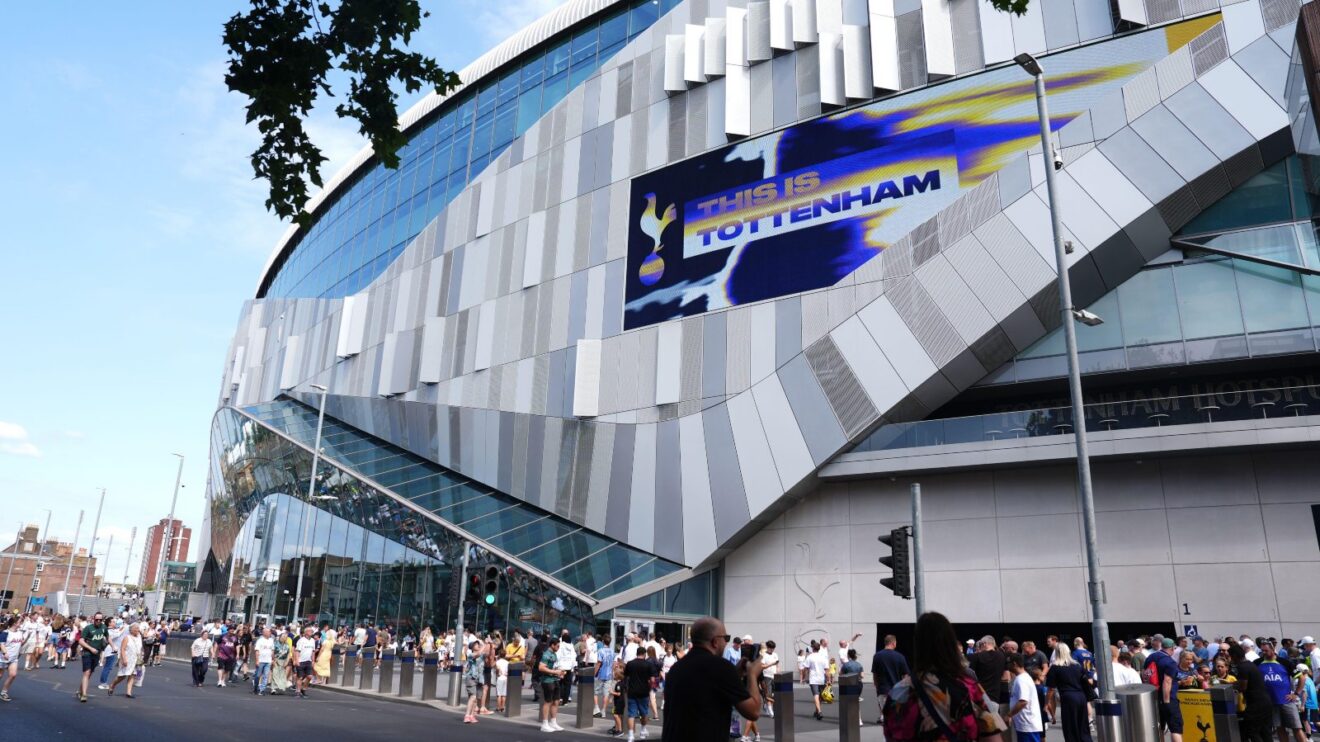
1. Tottenham Hotspur Stadium
Spurs finally have a table they can top. Their stadium buys certified renewable electricity, keeps waste out of landfill, uses reusable beer cups and has replaced plastic water bottles with cartons. Work on a 3,770-panel solar installation was due to begin in September 2026.
Find out how you can help you team rise up the Pledgeball League table
2. Hill Dickinson Stadium, Everton
Everton’s new home was designed with solar panels, rainwater harvesting and efficient heating, cooling and lighting systems. Around 99 per cent of construction waste was reportedly diverted from landfill. A full season of operational figures is still required, but the early evidence is strong.
3. Emirates Stadium, Arsenal
The Emirates became the Premier League’s first ground to buy 100 per cent renewable electricity in 2017. Battery storage helps manage demand, food waste goes to anaerobic digestion and waterless urinals and timed taps reduce consumption. Arsenal also have independently validated emissions-reduction targets.
4. Etihad Stadium, Manchester City
City’s reporting is among the league’s most detailed, although their large solar installation belongs to the neighbouring City Football Academy rather than the stadium. The Etihad buys renewable electricity, sends no waste to landfill and offers plant-based food throughout the ground. City’s matchday bus network carries an average of 1,580 supporters per game.
5. Anfield, Liverpool
Anfield has helped Liverpool increase matchday plastic-bottle recycling from roughly 20 to 90 per cent. The club obtain 96 per cent of their energy from renewable or low-carbon sources and hold ISO 20121 certification for sustainable event management.
6. Amex Stadium, Brighton
The Amex’s location beside the South Downs makes transport Brighton’s biggest challenge. Their answer is to include eligible rail and bus journeys within a designated zone in the ticket price. Electric cylinder mowers and water-recycling wash bays have also reduced the ground staff’s reliance on fuel and mains water.
7. Stamford Bridge, Chelsea
Chelsea buy renewable energy for their facilities, reuse water and divert operational waste from landfill. Stamford Bridge has no on-site renewable generation, something the club readily acknowledge, but its location near extensive Underground, Overground, rail and bus services gives supporters ample alternatives to driving.
8. Gtech Community Stadium, Brentford
The Gtech benefits from opening as recently as 2020 and sitting beside Kew Bridge station, with Gunnersbury also within walking distance. Brentford buy renewable electricity across their sites. Their two-season home-shirt cycle does not make the stadium cleaner, but at least somebody has questioned football’s annual polyester churn.
Did you know, 100,000 tonnes of sportswear ends up in landfill every year in the UK alone?
9. Vitality Stadium, Bournemouth
Bournemouth’s electricity is reported as renewable, while the Vitality has motion-sensitive lighting, push taps, reusable pint cups and an increasing number of electric mowers. Food waste is sent for composting or energy recovery. Poor rail access remains a sizeable black mark.
10. Old Trafford, Manchester United
United have operated a certified environmental management system for years and divert most Old Trafford waste from landfill. Tram connections are excellent; an ageing and inefficient stadium is rather less helpful.
11. Villa Park, Aston Villa
Villa Park’s electricity is supplied through REGO-backed renewable contracts, although gas has continued to form part of its energy mix. LED lighting, waste separation and water-saving systems add substance. Earlier carbon-neutral claims relied partly on offsets rather than eliminating the underlying emissions.
12. St James’ Park, Newcastle United
St James’ Park’s greatest environmental asset is its location. The ground sits in the city centre, close to Metro, bus and mainline rail services. Boiler optimisation has also delivered independently measured gas and carbon savings. Newcastle’s limited public reporting keeps them out of the top half.
13. Craven Cottage, Fulham
Fulham procure renewable energy, use electric mowers at Craven Cottage and employ a building-management system to control consumption. Electric-vehicle chargers have also been installed. The ground is reasonably well served by public transport, although the nearest stations require supporters to finish the journey on foot.
14. Stadium of Light, Sunderland
The Metro stops outside and Sunderland are targeting net zero by 2040. Their proposed 40MW solar farm would sit beside the Academy of Light, not the stadium, while a solar canopy above the ground’s car park has also been explored. Neither earn points until they exists.
15. Selhurst Park, Crystal Palace
Palace have three railway stations within walking distance of Selhurst Park. Remote meters help locate water leaks, while cellar technology in the Main Stand and Red and Blue bars saves an estimated 8,250 litres annually. Useful work, although broader stadium emissions and waste data remain limited.
16. The City Ground, Nottingham Forest
Forest’s solar-powered fan zone was designed to generate and store around 12,000kWh a year, more than the facility requires, and save roughly 2.5 tonnes of carbon dioxide. It is a smart addition rather than a transformation of the whole stadium. LED floodlights provide another modest gain.
17. Coventry Building Society Arena, Coventry City
The arena has reported recycling more than 95 per cent of its waste over a measured three-month period and is working with E.ON on a venue-wide decarbonisation plan. Solar panels and the replacement of gas heating remain possible future projects. Coventry City’s limited control as tenants complicates the assessment.
18. Elland Road, Leeds United
Elland Road has recycling and energy-efficiency measures, but Leeds publish little current, stadium-specific performance data. The ground’s distance from the main railway station contributes to heavy car use on matchdays. Redevelopment could improve matters, but drawings and planning documents are not environmental achievements.
19. Portman Road, Ipswich Town
Portman Road’s town-centre location is its strongest card, with Ipswich station within walking distance. The club’s sustainability policy promises energy-saving systems, waste reduction and more support for public transport and cycling. Public evidence showing what has already been delivered at the stadium remains thin.
20. MKM Stadium, Hull City
The MKM has segregated waste streams, smart-flush urinals, cycle parking and an electric-car charging point. Its most recent detailed public assessment disclosed no clean-energy programme or biodiversity plan. There are useful measures here, just not enough of them to avoid finishing bottom.
Watch Route ’26: Losing Sight of Goal, by following Pledgeball on Instagram and YouTube