From training ground to table: what footballers – and fans – really eat now


At elite level, food is no longer a sideshow to football. It is central to performance, as carefully calibrated as pressing triggers or set-piece routines. Calories are counted, macros measured, hydration tracked to the millilitre.
But within this hyper-controlled world, another, quieter shift has begun to take shape. Sustainability – once an afterthought – is starting to influence what footballers eat.
Across Europe’s top clubs, there has been a gradual move towards reducing red meat consumption in training ground menus. This is not driven primarily by environmental campaigning, but by evolving sports science. Nutritionists now favour diets rich in lean proteins, fish and plant-based sources such as legumes and pulses, which can support recovery and endurance without the inflammatory effects sometimes associated with heavier red meat intake. The science has led the way; the environmental benefits have followed.
Find out how you can help you team rise up the Pledgeball League table
At clubs like Tottenham Hotspur, this philosophy has extended beyond the training ground and into the matchday experience. Spurs have publicly committed to a “plant-forward” approach in their stadium catering, reducing the proportion of meat in dishes and increasing plant-based offerings. While that initiative is aimed at supporters, it reflects a broader alignment within the club: performance, health and sustainability are no longer entirely separate conversations.
Elsewhere, similar patterns are emerging. Elite footballers are increasingly open about their diets, and while not all have embraced plant-based eating, many have moved towards more flexible, lower-meat approaches.
The trend is not universal, and nor is it absolute, but it is noticeable. Importantly, it is also pragmatic. Players are not becoming vegan en masse; they are adjusting their intake in ways that suit performance demands. The result is a subtle but meaningful reduction in the carbon footprint associated with elite football diets.
Yet there is a paradox at the heart of this shift. Footballers are, culturally, among the most visible influencers in the world, but their dietary habits rarely translate directly to fans. Supporters may copy boots or celebrate like their heroes, but they do not typically replicate their nutrition plans.
The reasons are obvious. A professional footballer’s diet is expensive, highly structured and tailored to a level of physical output most people do not share.
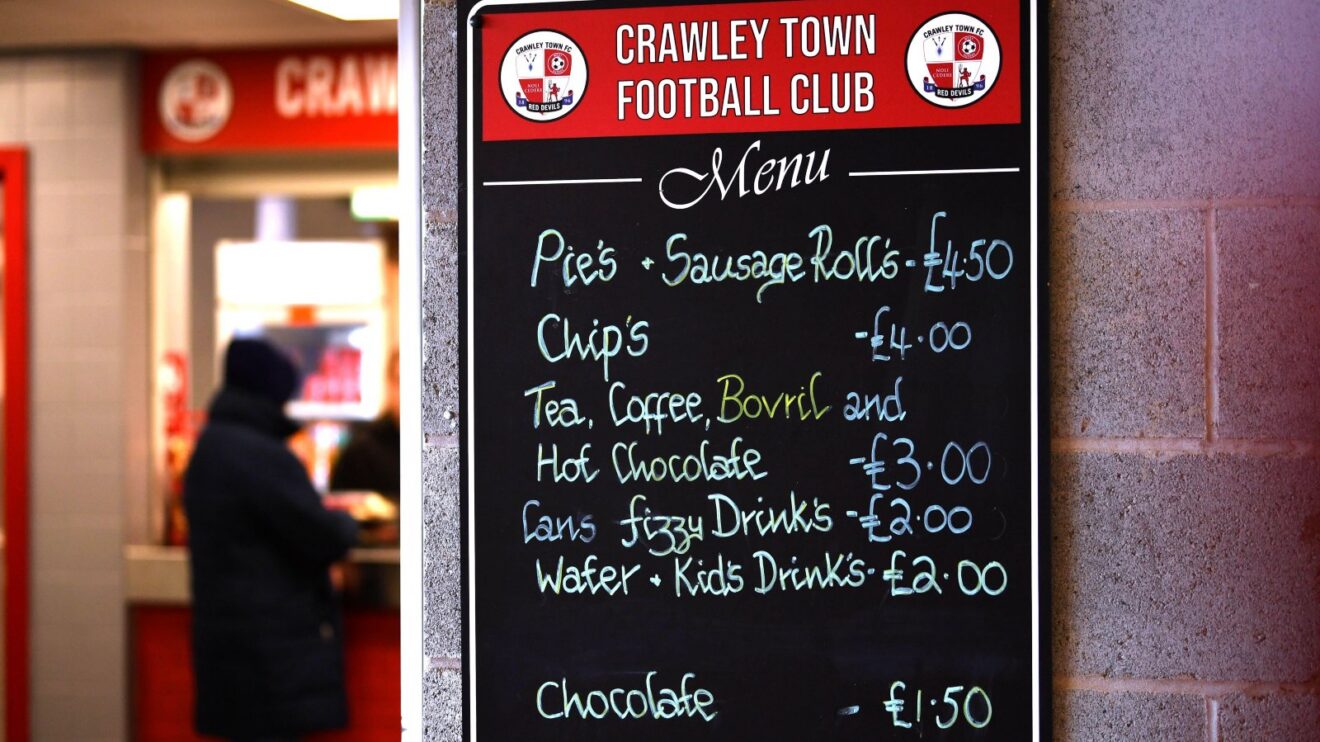
This creates a disconnect between what happens at training grounds and what is served in stadium concourses. While clubs quietly optimise player nutrition along more sustainable lines, the matchday offering often remains rooted in tradition. Burgers, pies and processed snacks still dominate, even as plant-based options become more common. The shift is additive rather than transformative; fans are given alternatives, but not necessarily nudged towards them.
Did you know, 100,000 tonnes of sportswear ends up in landfill every year in the UK alone?
There are signs of change. Some Premier League clubs now offer a wider range of vegetarian and vegan food than ever before, and there is growing interest in the environmental impact of catering. But the pace of that change is cautious. Football, for all its innovation in other areas, tends to treat food culture conservatively. The matchday pie is not just a meal; it is part of the ritual.
What makes the training ground story compelling is that it shows change is possible without sacrificing performance. If anything, the move towards more plant-based nutrition has been enabled by the relentless pursuit of marginal gains. Footballers are not eating differently to save the planet; they are doing so because it helps them play better. Sustainability, in this context, becomes a fortunate alignment rather than a compromise.
The question is whether that alignment can be extended. If clubs are already proving that lower-meat diets work at the highest level of sport, there is an opportunity to reframe how food is presented to supporters. Not as a moral obligation, but as a natural evolution. The same logic that underpins player nutrition – efficiency, balance, optimisation – could, in theory, apply to the wider matchday experience.
For now, the two worlds remain distinct. Inside the training ground, footballers are eating in ways that increasingly reflect both performance science and environmental awareness. Outside it, fans are offered a broader menu than ever before, but one still anchored in familiarity. Bridging that gap would require more than new recipes; it would demand a cultural shift in how football thinks about food.
And yet, if history is any guide, football culture is not as static as it appears. It changes slowly, then all at once. What begins as a marginal gain can become the norm. In that sense, the most sustainable thing about footballers’ diets may not be the ingredients themselves, but the possibility that, over time, they help redefine what eating well at football looks like.
To learn more about Pledgeball and how you can pledge to help your club shoot up the sustainability standings, visit Pledgeball.org.